
Wedding Planner Costs in Canada: Full-Service, Month-Of and Day-Of Pricing Explained
November 2, 2026
Wedding planner pricing in Canada explained: what full-service, month-of and day-of coordination actually cost, what should be in every quote, and how to compare three planners on hours and deliverables instead of vague packages.
Wedding Planner Costs in Canada: Full-Service, Month-Of and Day-Of Pricing Explained
Hiring a wedding planner is one of the biggest budget decisions a Canadian couple will make, and also one of the most confusing. One planner quotes $2,500, another quotes $12,000, and a third quotes a percentage of your total budget. All three may be perfectly reasonable. The difference is almost always the scope of service. Here is how wedding planner pricing actually works in Canada, what each tier includes, and how to compare quotes so you know exactly what you are paying for.
The three main service tiers
Full-service planning covers your engagement from start to finish. The planner helps you build a budget, recommends vendors, attends venue tours and tastings, negotiates contracts, manages RSVPs, builds your timeline, runs the rehearsal and orchestrates the entire wedding day. In Canada, full-service planning typically runs $3,500 to $10,000, with luxury planners in Toronto, Vancouver and Montreal charging $12,000 or more. Many also charge 10 to 15 percent of your total budget rather than a flat fee, which keeps their fee in step with the size and complexity of your event.
Month-of coordination (often called partial planning) means the planner steps in four to six weeks before the wedding. You make all the bookings yourself, then hand everything over: the planner confirms vendors, finalizes the timeline, builds the day-of schedule and runs the weekend. Expect $1,500 to $3,500 in most Canadian markets, with higher prices in large cities during peak season. Some planners call this "month-of" when they really mean one meeting plus the wedding day, so ask how many hours are included.
Day-of coordination is the lightest touch, and often the most misunderstood. The coordinator does not plan anything. They show up on the wedding day, herd the vendors, cue the processional, pin boutonnieres and keep the evening on schedule. Despite the name, a true day-of coordinator usually puts in 15 to 25 hours including preparation, site visit and the reception itself. In Canada this generally costs $1,200 to $2,500. If a quote is much lower, ask how many hours it covers and whether an assistant is included.
What changes the price
Several factors move quotes up or down:
- Guest count. A 200-guest reception needs more load-in time, more vendor wrangling and often an assistant. Planners commonly add $200 to $500 once you pass 150 guests.
- Season and day. A Saturday in July or September costs more than a Friday in January. Some planners charge peak-season premiums of 10 to 20 percent.
- Location. Prices in Toronto, Vancouver, Calgary and Montreal run higher than mid-size markets such as Winnipeg, Halifax or London, Ontario. Travel fees apply when your planner drives outside their home region, often $0.50 to $0.85 per kilometre plus accommodation for remote venues.
- Multi-day events. South Asian, Jewish and other multi-day weddings involve additional event days, each billed separately or as part of a custom package.
- Destination work. A planner travelling to Muskoka, the Laurentians or Banff may bill travel days in addition to the coordination fee.
What should always be included
Whatever tier you buy, a professional planner's fee should cover a written contract, a detailed master timeline, vendor confirmations in writing, and a point person on the wedding day with a backup plan for emergencies. Reputable Canadian planners carry liability insurance and should introduce an assistant for larger weddings. They should also hand over a final invoice with no surprise line items: delivery fees, décor installation and rentals are either in the quoted price or flagged up front.
Be cautious with planners who ask to be paid entirely by the vendor. Most Canadian planners no longer accept commissions from vendors precisely because it creates a conflict of interest. If yours does, the "free" planning could be steering you toward vendors who pay rather than vendors who fit.
A worked example
For a 120-guest wedding in London, Ontario with a $30,000 budget, sensible planner spending looks like this: about $2,000 for month-of coordination, or $10,000 if you want full service, which is one third of the budget on the high side. A common rule of thumb is to keep planning and coordination between 10 and 18 percent of total spend. If your venue is all-inclusive with an on-site coordinator, month-of or day-of service is usually enough. If you are building a wedding from scratch at a raw venue, full-service help pays for itself in avoided mistakes.
Questions to ask before you sign
- How many weddings do you take per year, and how many in my month?
- Exactly how many hours are included, and what counts as overtime?
- Will you or an assistant be there on the day, and who is my backup if you get sick?
- What is not included that brides typically assume is included?
- How do you handle last-minute changes, cancellations or refunds?
- Can I see a sample timeline from a recent wedding like mine?
Comparing three quotes against the same list of questions strips away the packaging and shows you the real differences in value.
The bottom line
Most Canadian couples do not need a $12,000 full-service planner, but almost every wedding benefits from at least a day-of coordinator. Set aside 10 to 18 percent of your budget for planning help, match the service tier to how much of the work you genuinely want to own, and insist every quote is broken down by hours and deliverables. Do that, and wedding planner pricing stops being a mystery and becomes just another line item you control.
More in Budget
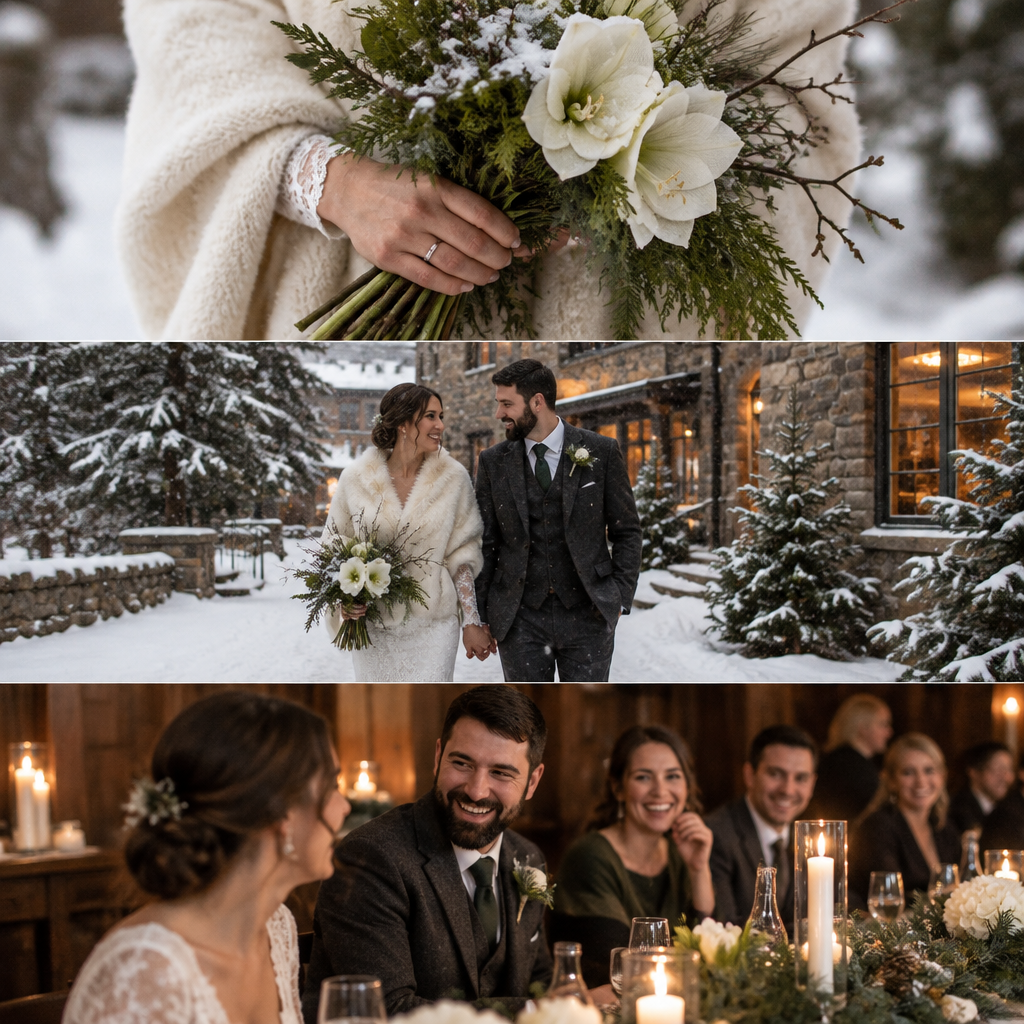
Winter Weddings in Canada: What They Actually Cost, Where to Hold Them, and the Details Nobody Warns You About

The $40,000 Question: What the Fall Ottawa Wedding Show Revealed About Planning a Wedding in 2026
