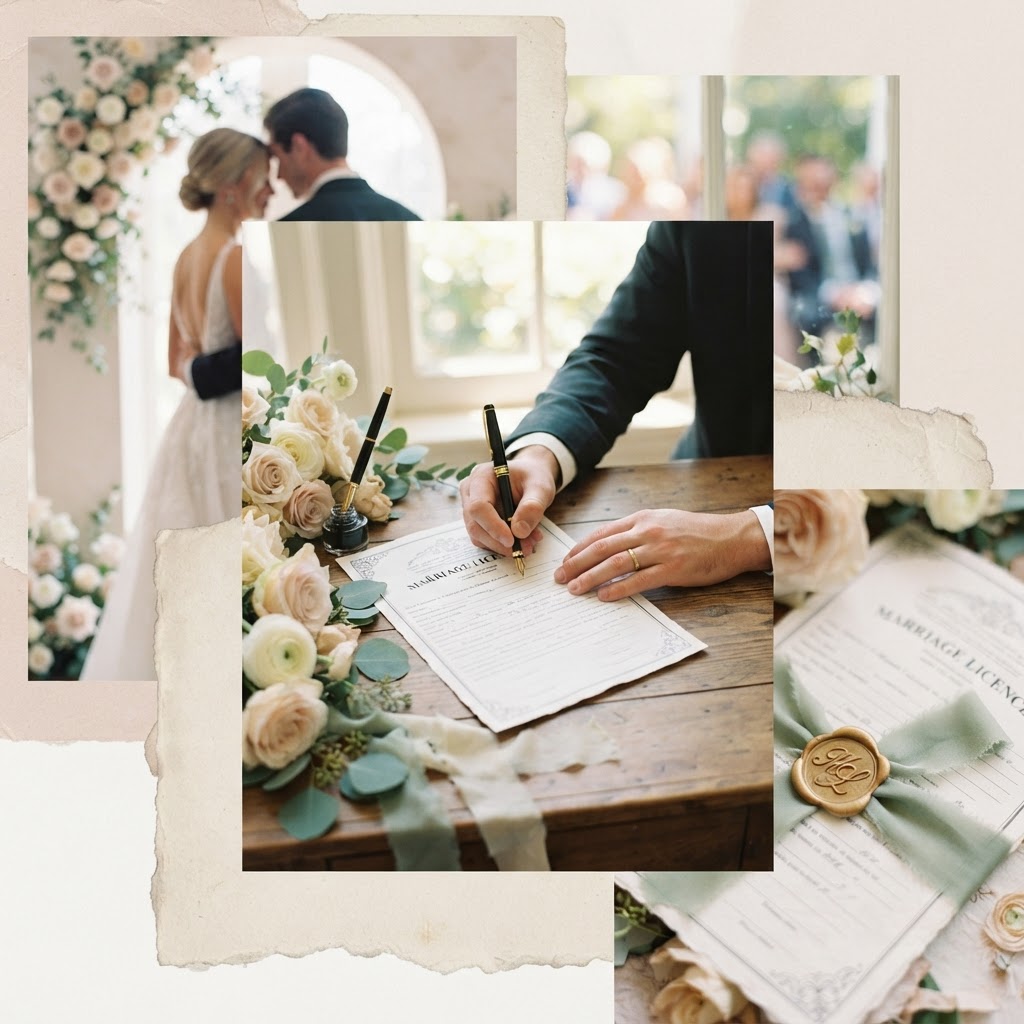
Wedding Contracts in Canada: 12 Clauses That Protect Couples (and the Red Flags to Walk Away From)
October 28, 2026
Deposits, cancellation, substitutions, overtime, insurance and the clauses that decide who pays when things go wrong - a plain-language guide to Canadian wedding contracts, plus the red flags that should stop you signing.
Wedding Contracts in Canada: 12 Clauses That Protect Couples (and the Red Flags to Walk Away From)
Most Canadian couples spend more time choosing a wedding photographer's Instagram grid than reading the contract that governs the biggest purchase of their engagement. That's understandable — contracts are dense, and nobody plans a wedding imagining things going wrong. But the clauses in those documents are exactly what decides who pays when a vendor cancels, when a venue floods, or when the cake arrives two hours late.
This guide walks through the twelve clauses that matter most in Canadian wedding contracts, what fair wording looks like, and the red flags that should make you slow down before signing anything.
1. The deposit clause: how much, and what happens to it
In Canada, deposits are typically 20–50% of the total, with the balance due 14–30 days before the wedding. A fair contract states three things clearly: the deposit amount, the date it's due, and — critically — whether it's refundable and under what circumstances.
Ontario and most provinces don't mandate a specific deposit cap for wedding vendors, so the contract language is what governs. Watch for "non-refundable under any circumstances." If the vendor cancels, you should get your deposit back. If you cancel, a graduated scale (e.g., full refund minus a reasonable administrative fee before a certain date) is normal and fair.
2. The cancellation and rescheduling clause
Life happens. Deaths, job relocations, illness, and — as thousands of couples learned — global disruptions that cancel gatherings entirely. Your contract should answer:
- How many days' notice is required to reschedule?
- Is there a rescheduling fee, and does it change with proximity to the date?
- Does a force majeure clause cover government restrictions, extreme weather, or venue closure?
- If the vendor initiates the cancellation, what is their obligation to find a replacement or refund you in full?
Vendors with strong reputations usually offer one free reschedule if you give 60–90 days' notice. Vendors who won't discuss rescheduling at all are telling you something about how they'll handle problems on your day.
3. The substitution clause: who actually shows up
Photographers book second shooters. DJs book backup MCs. Caterers rotate chefs. Ask directly: "If the person I'm contracting with is unavailable, who replaces them, and do I get approval over the substitute?" Fair contracts name a qualified substitute or commit to one of comparable skill — and don't quietly allow the vendor to send anyone they like.
4. The payment schedule and late fees
Read the timeline, not just the total. Where are the installments due, and what happens if a payment hits a day late? Reasonable contracts charge small late fees or send a reminder. Aggressive ones charge 10% per month or void the agreement over a one-day delay. Also confirm the price is final: ask whether there are taxes (HST/GST varies by province and service), travel fees, or gratuities not included in the quoted number.
5. The overtime clause
Your reception runs long. The party is still going at 11pm and your photographer's contracted coverage ended at 10pm. Most contracts specify an hourly overtime rate — typically 1.5x the effective hourly rate, billed in half-hour or full-hour increments. Know the number before the night, because in the moment you'll agree to anything.
6. The "what's included" schedule
The single most litigated section of wedding contracts is the list of deliverables. "Full-day coverage" means different things to a photographer and to you. Insist on a specific written schedule:
- Hours of coverage, with start and end times
- Number of edited images or hours of video, and delivery timeline
- Number of outfit changes or locations included
- Whether raw files are available and at what cost
- Album or print credits, if any
- Meal and break requirements for vendors (many contracts require you to feed them — count it in your budget)
7. The weather and backup plan clause
For outdoor ceremonies and tented receptions, the contract should state who decides to move indoors, by when, and who bears the cost of a rain plan. Ask your venue specifically: if we move the ceremony indoors, what changes in price, and what happens to the outdoor setup we paid for? Get the answer in writing.
8. The insurance and liability clause
Legitimate venues and vendors carry commercial general liability insurance — often $2 million or more — and many venues require vendors to provide a certificate of insurance naming the venue as additional insured. Ask for the certificate. A vendor who can't produce one, or who gets defensive when you ask, is a risk worth taking seriously.
9. The force majeure and pandemic clause
Post-2020 contracts should define force majeure narrowly and clearly: which events qualify (government order, declared emergency, venue closure), what happens to money already paid, and whether either party can terminate without penalty. Vague "acts of God" language can be argued both ways and usually benefits whoever can afford a lawyer longer.
10. The intellectual property and privacy clause
Your photographers own the copyright to your images by default in Canada — and that's normal. What matters is the license you're granted: personal use is standard, but check whether you can print, share on social media, or submit to publications. Also check the vendor's model clause: many contracts let them use your photos for marketing unless you opt out. If you want privacy, ask for an opt-out in writing before you sign.
11. The guest count and meal guarantee clause
Catering contracts usually require a final guaranteed count 7–14 days out and charge for that number whether or not guests attend. Understand the overage rate — what each extra plate costs if more guests show than guaranteed — and confirm the children's meal pricing and vendor meal pricing separately. These three numbers alone can move a catering quote by thousands of dollars.
12. The dispute resolution clause
Where does a disagreement get resolved? Look for: governing province, whether disputes go to mediation or arbitration before court, and who pays legal costs. For small vendors, this is usually boilerplate. For venues, read carefully — arbitration clauses can limit your options if something goes seriously wrong.
The red flags worth walking away from
Even with fair clauses, some contract behaviour should stop you cold:
- Pressure to sign the same day. Deposits and dates do sell out — but reputable vendors will hold a date for 24–48 hours while you read. Same-day-only offers are a sales tactic, not scarcity.
- No written contract at all. A handshake and an e-transfer is a recipe for a dispute nobody can resolve. Every dollar should be documented.
- Refusing to identify the legal business name. If the contract doesn't name the business and address, you have nobody to hold accountable.
- Demanding the full amount upfront. A 50–100% upfront demand with no cancellation protection is the classic shape of a scam — and it targets couples in exactly the emotional state scammers count on.
- No reviews anywhere, or reviews only on one platform. A real business leaves a trail. Check Google, Facebook, and wedding directories. A vendor with a five-star rating on one page and silence everywhere else deserves a second look.
How to use this guide
Request every contract before you pay a deposit — any vendor who won't send the document first is telling you how the relationship will go. Read it twice, once for the numbers and once for what happens if things go wrong. And if anything is unclear, ask in writing; the answer you get in an email is part of your protection.
SmartWeddingPlans.ca lists verified Canadian wedding vendors across every category, and our guides exist so couples can book with their eyes open. If a contract conversation ever feels off, trust that feeling — there is always another vendor, and no date is worth signing something you don't understand.