The Rise of the Female Wedding Photographer: What Changed, and What It Means for Your Wedding
October 24, 2026
Wedding photography has quietly become a female-led profession, and couples are part of the reason. Here's why the shift happened, what brides are really asking for, and how to choose the right photographer for your day...
Wedding photography has quietly become a woman's profession, and the change happened faster than almost anyone in the industry noticed. Twenty-five years ago, the person behind the camera at a Canadian wedding was almost certainly a man: a technical trade learned in darkrooms and camera clubs, built around heavy equipment and studio apprenticeships. Today, when couples in Toronto, Vancouver, Halifax or anywhere in between start shortlisting photographers, a large share of the names on their lists belong to women. In the portrait and social photography segment of the United States, women now make up roughly six in ten working photographers, and wedding photography skews at least as female as the broader category. Canada's market follows the same pattern; spend an afternoon on a bridal show floor in Ontario or Alberta and you will see it with your own eyes.
This is not a niche industry story. It changes what your wedding photos look like, who you will feel comfortable with during the most intimate hours of your day, and how you should choose the right photographer for you. Here is what actually happened, why it happened, and what it means for couples planning a wedding right now.
A profession that used to look very different
For most of the twentieth century, wedding photography was a male trade for practical reasons. Cameras were expensive, mechanical and physically heavy. Exposure math was genuinely difficult. The skills were passed down through studio apprenticeships, and studios were overwhelmingly owned and staffed by men. The photographer's role was formal and transactional: show up, take the group photographs, deliver the album. He was a technician you hired for a few hours, not a companion for the day.
That model held for decades because the job itself was narrow. Then the job changed, and the profession changed with it.
Why the shift happened
Before the shift could happen, the walls around the trade had to come down, and they came down fast. Digital cameras killed the darkroom and the apprenticeship that went with it. A beginner in 2006 could learn exposure from a free blog post instead of paying dues in a studio for three years. Gear became lighter, cheaper and better in low light, which erased the physical argument for the job. Online education, YouTube tutorials and enormously active photography communities opened the profession to anyone willing to learn, and a very large share of the people who walked through that open door were women who had been told, a generation earlier, that the camera room was not for them.
With the doors open, four forces converged over the past two decades, and each one pushed the industry toward the people couples trusted most.
Women make the buying decision. Purchases of portrait and social photography, wedding coverage included, are overwhelmingly made by women. The bride, her mother and her bridesmaids usually own the research, the shortlist and the final call. When your entire customer base decides a certain way, professionals who understand that customer deeply, share her references, and speak to her priorities in her own channels have an enormous commercial advantage. Word of mouth compounds it: every happy bride recommends the photographer who understood her.
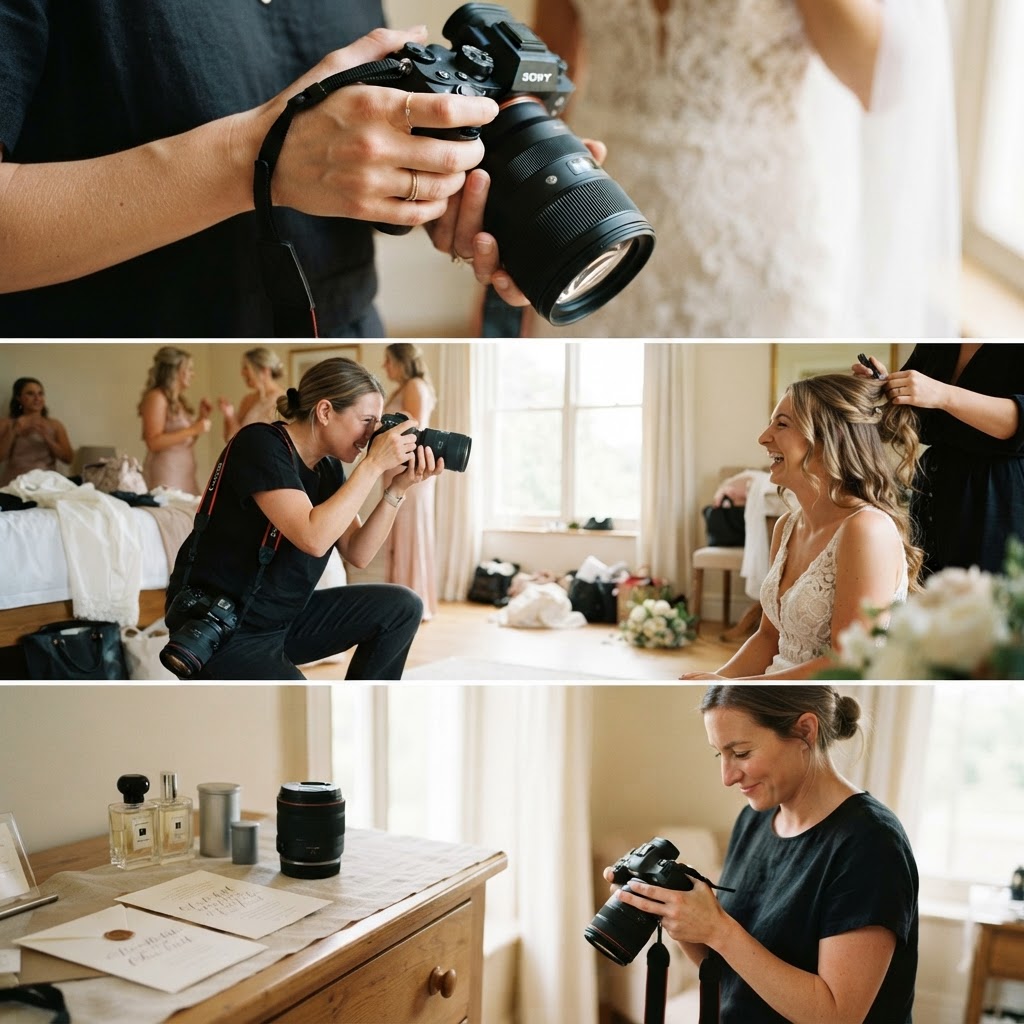
Coverage got intimate. The biggest creative change in modern wedding photography is the getting-ready story. Couples no longer book four hours of ceremony-and-formals; they book a full documentary arc that starts with an unmade bed, steam curling a dress, a mother fastening a necklace. Those are the most private hours of the entire wedding day, often involving half-dressed moments, bra adjustments and raw emotion. Many brides specifically want a woman in the room for them, and photographers who can be naturally present in that space, without the room stiffening when they enter it, win the booking. The comfort request is real, it is stated openly in consultations, and it shows up far beyond the getting-ready suite. Boudoir and bridal portrait sessions, where the subject may be in lingerie or partially dressed, are now overwhelmingly booked with women behind the camera. The dress reveal, the moment a bride steps into her gown in front of people she loves, is another flashpoint: it is emotional, physical and often photographed from inside the huddle. Coverage of the morning-after or late-night hotel portraits follows the same instinct. None of this is about the quality of male photographers in those rooms; it is about how relaxed the person in front of the lens feels, and that feeling is the whole product.
Discovery moved to visual, personal platforms. Instagram and Pinterest replaced albums, bridal shows and word of mouth as the first place couples look. Those platforms reward a cohesive aesthetic, an approachable personal brand and consistency over years of posting, and they became the natural habitat of photographers who excel at exactly that. A couple now judges a photographer by how they present, not just how they shoot. Discovery stopped being a technical reputation contest and became a personal-brand contest.
The service bar rose. The modern wedding photographer is part therapist, part hype squad, part logistics manager. Clients expect timeline help, vendor coordination, family diplomacy and calm reassurance through a ten-hour day. The industry professionalized around emotional intelligence and relationship care, and it priced and rewarded those skills accordingly.
The request couples are actually making
It is worth being precise about what couples ask for, because the conversation online often exaggerates it. The most common gender-specific request in the industry is a woman for the getting-ready hours and other intimate coverage. Some of that comes from past experiences brides have heard about or lived through; most of it is simple comfort, the same instinct that makes many women choose a female doctor or hairstylist for certain moments.
What it is not is a blanket preference. When couples describe why they chose their photographer, the answers are overwhelmingly about portfolio, style, price and personal rapport. Gender is a filter applied to specific hours of the day, not to the whole booking. That distinction matters both for how you hire and for how the industry reads this shift.
The Canadian market is moving the same way
Canadian numbers trail the American ones in public visibility, but the direction is unmistakable on the ground. The workshop circuit, the second-shooter pools and the vendor lounges at Canadian bridal shows have visibly changed composition over the past decade. Wedding photography programs and online communities serving the Canadian market report the same pattern: the pipeline coming up behind today's working photographers is even more female than the current workforce, which means the trend has years of runway left. For couples, that means the shortlist you build in 2027 will naturally be more female than the one your sibling built in 2015, entirely on its own, and the real screening work is still about style, reliability and fit.
What the change does not mean
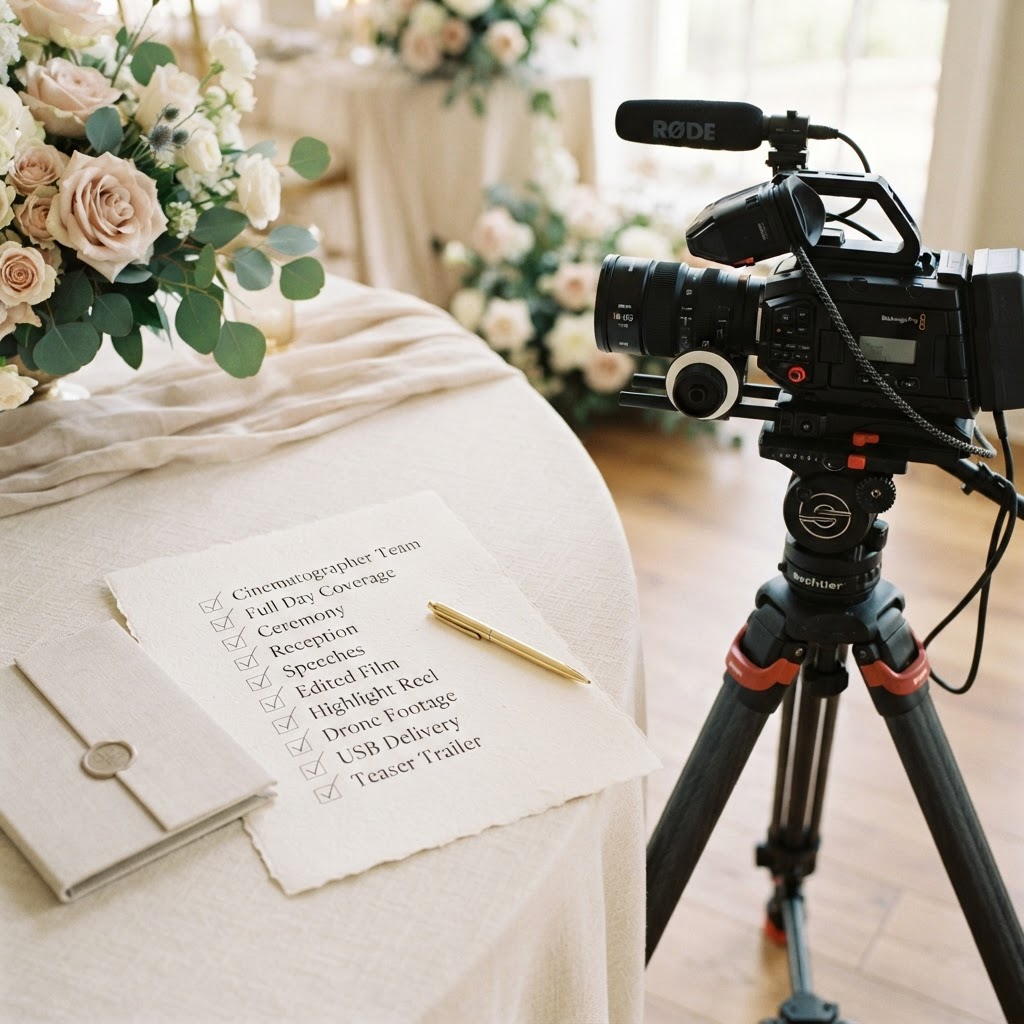
It does not mean male photographers have no place at weddings. They are hired every weekend in every province, and there is no credible evidence that couples categorically refuse them. Some of the strongest documentary and cinematic wedding work being produced in Canada right now comes from male photographers. The areas where they continue to thrive are telling: fast-moving documentary coverage, low-light reception work, drone and aerial coverage, cinematography and videography, and second-shooter roles where a two-person team divides the day.
A photographer selling you fear in either direction, either "no one books men anymore" or "you would never book a man," is telling you more about their marketing than your wedding. The market has moved toward trust and fit, and away from assumptions. Whoever wins your booking should win it on the strength of their work and your comfort with their presence.
Two-shooter teams: where the industry is landing
One of the fastest-growing answers to the comfort question is the mixed two-person team. A common structure: a female lead photographer covers the getting-ready hours and the moments that benefit from her presence, while a second shooter arrives for the ceremony, portraits and reception, capturing the wide angles, the reactions and the dance floor. Couples get full coverage with no comfort trade-offs, and the photographers get a realistic division of a very long day.
If you are weighing this option, ask how the team divides the timeline, who exactly will be in the room during getting-ready coverage, and what the backup plan is if one of them gets sick. A good team answers those questions before you finish asking them.
How to choose the right photographer for you
Whether you end up choosing a woman, a man or a team, the selection process is the same. Bring your preference into the process honestly: if having a woman in the getting-ready room matters to you, say so on the first call and see how the studio responds, because the response tells you as much as the answer. A confident professional will either say yes, or show you exactly how their team covers those hours. From there, screen everyone against the same five questions. Work through these questions:
1. Who covers the getting-ready hours, and what is their protocol? Ask directly: who will be in the room while I am getting dressed, and how do they handle it? Experienced photographers have a clear answer about announcing themselves, stepping out, using longer lenses from the doorway and reading the room. A vague answer is a red flag regardless of gender.
2. Can I see full galleries, not just highlights? Anyone can curate thirty great images. Ask for two complete weddings from start to finish, ideally ones that look like yours in size, venue type and light. You are testing consistency, not the best day they ever had.
3. Who exactly is on my team? Is the person you met the person shooting? Will there be a second shooter, and who? What happens if they cannot make it? Get the answers in writing.
4. Does their work make you feel something? The photographer's job is not to record your wedding but to interpret it. Look at a gallery and ask whether the moments you care most about, and you should write down which moments those are, would be photographed the way you hope.
5. Could you spend ten hours with this person? Meet or video call before signing. The photographer will be in the room when you are nervous, hungry, crying and half-dressed. Hire the presence you want in that room, whoever it belongs to.
If you are a photographer reading this
The gender shift is a symptom of a deeper change: couples now choose the vendor whose trustworthiness they can see before they ever speak. Every photographer competing in this market, man or woman, benefits from making trust visible: publish your getting-ready protocol, show full galleries, introduce your team on your website, and let your personality exist in your portfolio. The couples who are right for you cannot choose you if all they can see is a price list. There is also a commercial lesson hiding in the data for photographers of every kind. The market that grew up around getting-ready coverage, personal branding and visible trust rewards specialists who name their niche and serve it loudly. A photographer who says "I cover getting-ready mornings like a fly on the wall, here is exactly how I work the room" gives nervous couples something concrete to say yes to. A photographer whose entire pitch is a generic gallery competes on price against everyone else with the same pitch. Naming how you serve the intimate hours, whichever gender you are, is one of the highest-converting moves available in the current market. Directories like SmartWeddingPlans.ca exist precisely to surface that fuller picture, so Canadian couples can find the photographer whose presence fits their day, whatever their preference.
The bottom line
Times have changed because couples changed how they choose. Coverage got more personal, discovery got more visual, and the deciding factor became trust made visible. The rise of the female wedding photographer is the clearest expression of that shift, not the cause of it. So do not hire a gender; hire the photographer whose work you cannot stop looking at and whose company you would want at seven in the morning with your hair half-done. Ask the right questions, insist on full galleries, and meet the human behind the camera before you sign. That is how you get photographs you will still love in thirty years, no matter who took them.